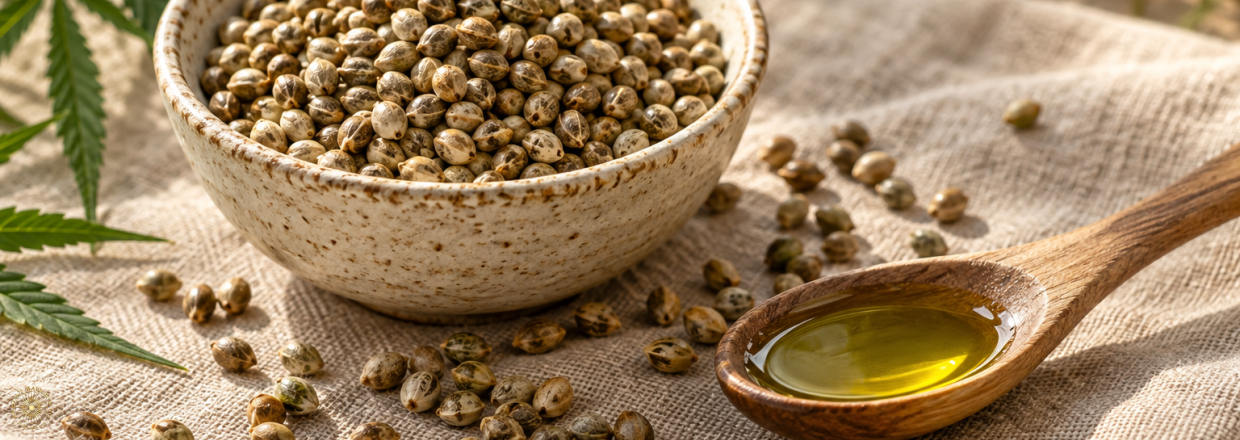
A small seed and a flowering plant lead to very different conversations. Hemp seed oil is not another name for CBD. Here is why the plant part matters more than a shared name, and how imprecise wording can confuse the story.
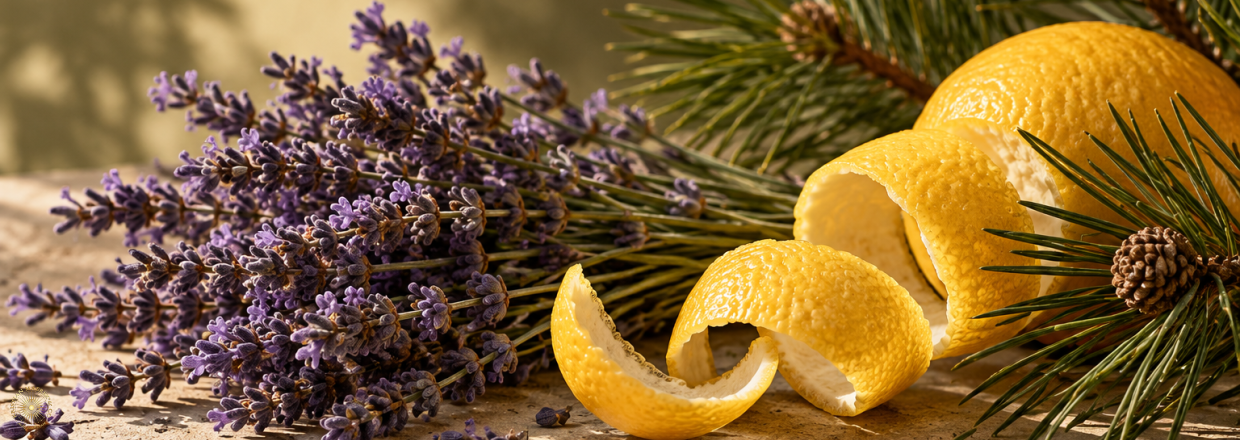
Lemon peel, a bunch of lavender or a walk among pine trees can bring instant recognition. How does that familiar experience connect with plant chemistry? We explore terpenes and the difference between what a nose perceives and a laboratory measures.
Can a mixture do something its ingredients do not do separately? That is the interesting question behind the entourage effect. An imaginary experiment shows what researchers need to compare, and why the word interaction is not itself an answer.
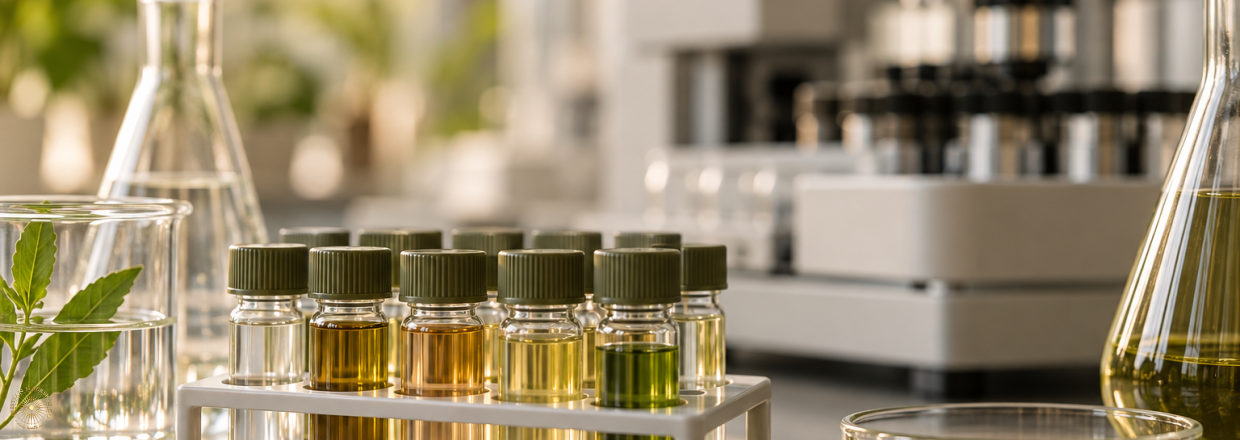
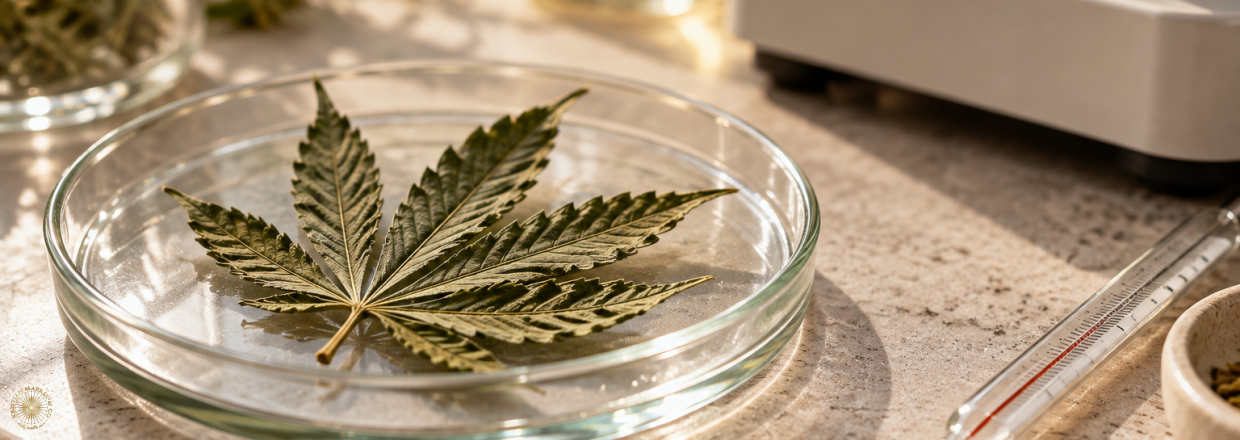
10 mg/g and 1% look different, but can describe the same mass fraction. That is one reason a laboratory report deserves more than a glance. Here are practical ways to understand the sample, units and limits of the result.
A single A changes what an analysis describes. THC, THCA and total THC are not three spellings of the same result. An imaginary report shows why the column heading and the laboratory’s explanation both matter.
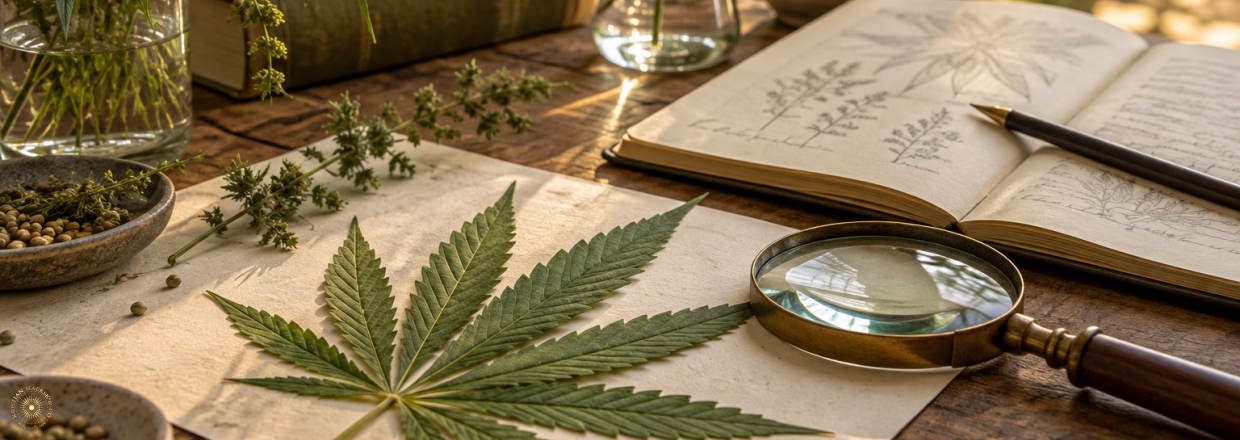
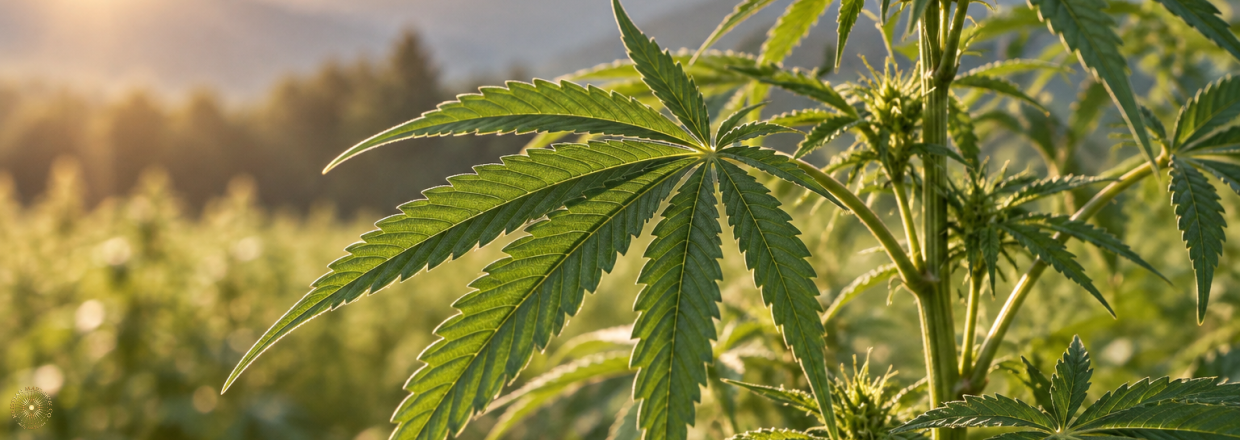
The familiar leaf is easy to recognise, but it tells only part of the plant’s story. Flowers, stems and botanical names open up more questions. We explore that variation, including what an attractive plant photograph cannot reveal.